
Tree Roots in Sewer Line: How They Get In and What to Do

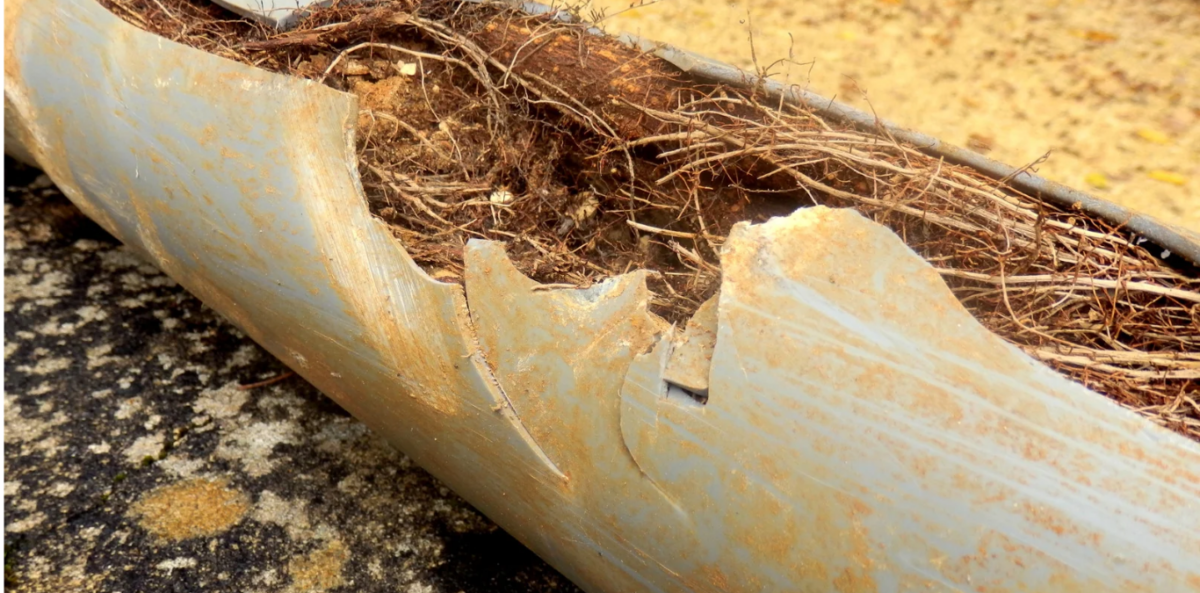
Finding tree roots in sewer line pipes can be surprising when the yard looks normal. Roots enter through tiny openings in buried pipes and grow until wastewater struggles to pass. Knowing how tree roots grow into pipes helps homeowners spot warning signs. It also helps them decide if a blockage needs clearing, a pipe needs repair, or both.
How Do Tree Roots Get Into Sewer Lines?
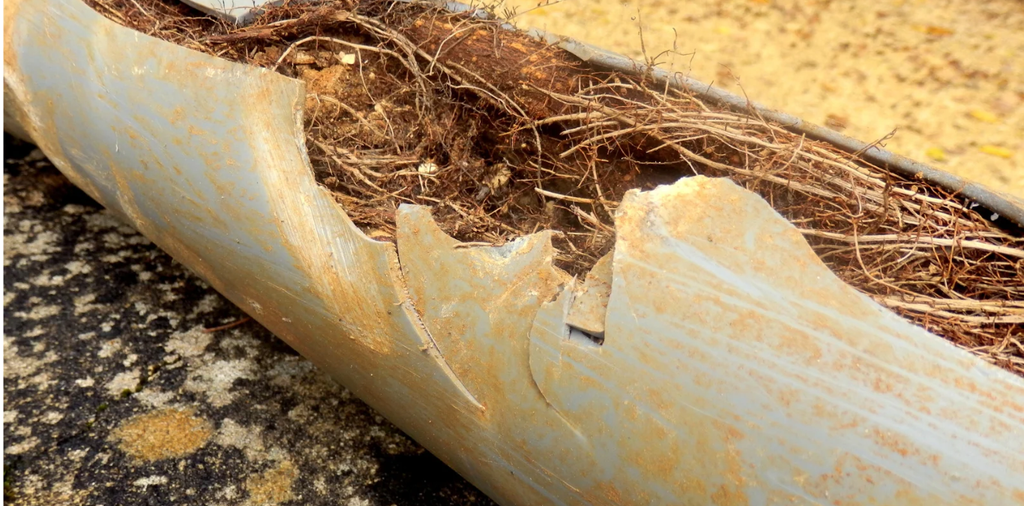
Roots grow through soil seeking moisture and nutrients. They generally don’t break through intact, sealed sewer pipes. Instead, they exploit existing cracks, loose joints, or misaligned connections.
Once a fine root reaches wastewater, it can branch out and thicken. Toilet paper, grease, and debris collect on the growth, restricting flow. Expanding roots may worsen the opening, creating a cycle of leakage and blockage.
The North Carolina Cooperative Extension explains that root intrusion typically begins with an existing pipe defect. Cutting roots doesn’t automatically fix the pipe. Early detection of tree roots in sewer line openings can help distinguish localized damage from extensive deterioration.
Why Are Older Colorado Sewer Lines Vulnerable?
Some older Denver-area homes still have clay or cast-iron sewer lines. Aging materials, deteriorated joints, and shifting soil can leave gaps where roots can enter. Colorado’s changing moisture conditions and freeze-thaw weather can also place stress on underground infrastructure.
A mature tree near the sewer route doesn’t prove roots caused a backup. Roots can travel farther than expected, and shrubs may find an existing opening. A camera inspection is more useful than guessing based on tree location.
Warning Signs of Tree Roots in Sewer Line Pipes
Tree root intrusion often develops slowly. Common symptoms include:
- Multiple slow drains: Toilets, tubs, or sinks struggle to drain around the same time.
- Recurring backups: Clearing a clog helps briefly, but the problem returns.
- Gurgling sounds: Air moves through a partially obstructed drain line.
- Sewer odors: Wastewater may escape through a damaged section or back up indoors.
- Unusually damp ground: A leak can sometimes create a wet patch or unusually lush growth.
These symptoms can also indicate grease buildup or a sagging pipe. Camera footage helps identify the actual problem.
How Does a Sewer Camera Inspection Help?
During sewer scoping, a camera travels through the line to show the inside of the pipe. It may reveal the location of roots, the condition of nearby joints, and whether there are cracks, offsets, or collapsed sections. The inspection can also identify a problem that has nothing to do with roots.
Ask where the defect sits and whether the pipe remains sound. Those details help us determine whether we need to clear a blockage or make a repair.
Does Removing the Roots Solve the Problem?
Not always. Mechanical cutting or other professional cleaning methods may restore flow, but roots can grow back if the opening remains. Treatment also depends on the pipe’s condition; aggressive cleaning can be unsuitable for fragile or badly damaged lines.
When damage affects only one section, a spot repair may address the entry point. Widespread deterioration, severe displacement, or repeated failures may call for sewer line replacement. Inspection findings, access, and the full line’s condition—not simply the number of roots found—determine the right choice.
How Can Homeowners Reduce Future Root Intrusion?
Know roughly where the sewer line runs before planting new trees. Avoid placing large trees directly above utility routes, and consider future access for repairs. Keep grease and wipes out of drains so any small obstruction is less likely to catch additional debris.
If tree roots in sewer line problems have occurred before, consider follow-up inspections. Avoid unapproved chemicals; they won’t repair damaged joints and may create hazards.
Addressing Sewer Damage With Colorado Excavating
At Colorado Excavating, we help homeowners and businesses in Arvada and the Denver metro area understand underground sewer problems. Our sewer line repair services include line scoping, section or spot repairs, and cleanout installation. Where damage is extensive, we also provide sewer line replacement.
If you suspect tree roots in your sewer line, our team can inspect it. We will recommend the right repair based on your system’s condition. Contact us to discuss your sewer line concerns.