
What Causes the Need for Underground Water Line Repair in Colorado?

Colorado weather and soil conditions can be tough on buried utilities. A damaged line may cause a soggy yard, reduced water pressure, discolored water, or an unexplained increase in water use. Understanding the most common causes can help property owners recognize when underground water line repair may be necessary and why a professional assessment matters.
Freeze-Thaw Cycles Stress Buried Pipes
Colorado temperatures can change quickly, especially during winter and early spring. As moisture in the soil freezes and thaws, the ground expands, contracts, and shifts around buried pipes. Repeated movement can stress connections, worsen small cracks, or place pressure on weakened materials.
Pipes installed at an improper depth or surrounded by poorly compacted soil may be more vulnerable. Years of seasonal movement can eventually create the need for underground water line repair.
Shifting and Settling Soil
Soil may settle naturally, dry out during drought, swell after heavy moisture, or move because of nearby construction. Colorado properties can contain clay-rich, sandy, or mixed soils, and each responds differently to changing moisture levels.
When the soil supporting a water line shifts unevenly, part of the pipe may lose support. The resulting stress can cause joints to separate or rigid materials to crack. An underground water line repair evaluation should consider both the damaged pipe and the ground conditions around it.
Mineral Buildup and Water Pressure
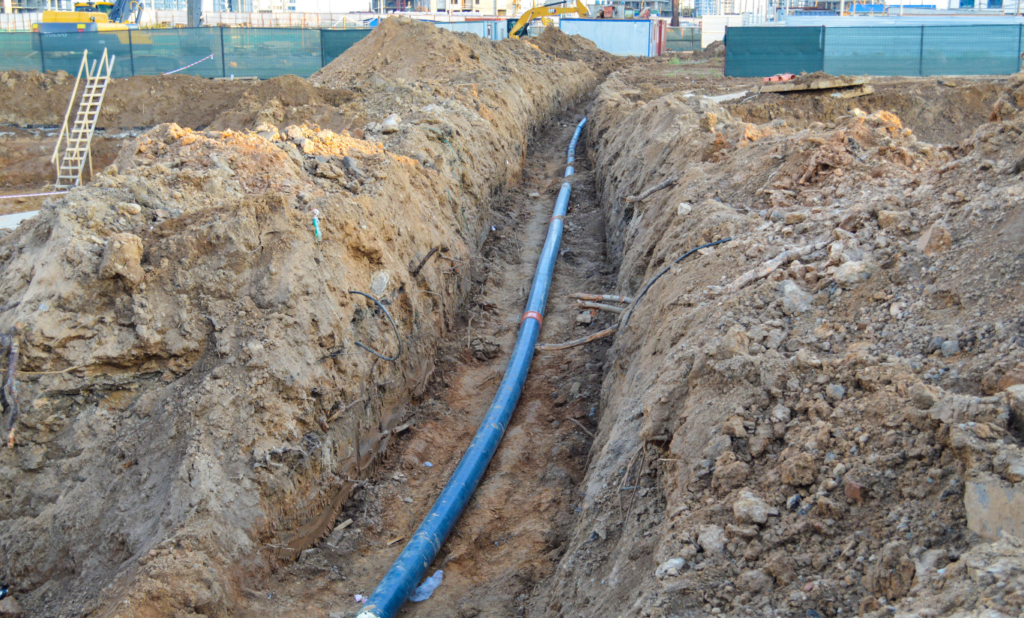
Minerals carried in water can gradually accumulate inside certain pipes. This buildup may reduce the pipe’s interior diameter, restrict flow, and contribute to lower water pressure. It can also make an older line less efficient before a visible leak develops.
Water pressure creates constant force inside the service line. If pressure is unusually high or fluctuates often, weak connections and aging pipe walls can deteriorate faster. Underground water line repair may address an isolated failure, but widespread restriction or damage may make replacement more practical.
Corrosion and Aging Materials
Pipe material and age play major roles in long-term performance. Metal pipes can corrode as they react with water, soil, and surrounding conditions. Corrosion may thin pipe walls, create pinhole leaks, or weaken fittings. Plastic does not rust, but older or damaged plastic can still crack, become brittle, or fail at a connection.
The U.S. Environmental Protection Agency explains that, “Lead and copper enter drinking water primarily through the corrosion of distribution system and household plumbing materials that contain these metals.” This EPA resource on lead and copper regulations shows why aging metal plumbing deserves careful evaluation.
When we assess underground water line repair needs, we look beyond the immediate leak. The line’s age, material, repair history, and overall condition help determine whether a targeted repair can provide dependable results.
Tree Roots Follow Moisture
Tree roots usually do not break directly into a completely sound pressurized water line. However, they may grow toward moisture escaping from an existing crack, loose joint, or small leak. As roots expand around a compromised area, they can place added pressure on the pipe and worsen the damage.
Properties with mature trees may require a more detailed underground water line repair plan, especially when the line runs beneath established landscaping. Access, root location, and restoration needs can all affect the repair approach.
Accidental Excavation Damage
Fences, irrigation systems, landscaping, grading, and other improvements often require digging. A shovel, auger, trencher, or excavator can strike a buried water line when utilities are not properly located.
Colorado 811 states, “There is no charge for public utility locates.” Property owners and contractors can review Colorado 811 safe-digging guidance before starting work. Private lines may require a separate locating service, so careful planning remains essential.
If damage occurs, prompt underground water line repair can help limit water loss, soil saturation, erosion, and property disruption.
Let Colorado Excavating Find the Right Solution
Water line damage is rarely caused by one factor alone. Age, soil movement, pressure, corrosion, roots, and prior construction can combine over time. At Colorado Excavating, we provide experienced underground water line repair services throughout the Denver metro area. We assess the condition, location, and accessibility of the line before recommending a practical repair or replacement plan. If you notice wet areas, pressure changes, or other warning signs, contact our team before a small underground issue becomes a larger property concern.